- Your cart is empty
- Continue Shopping


€80
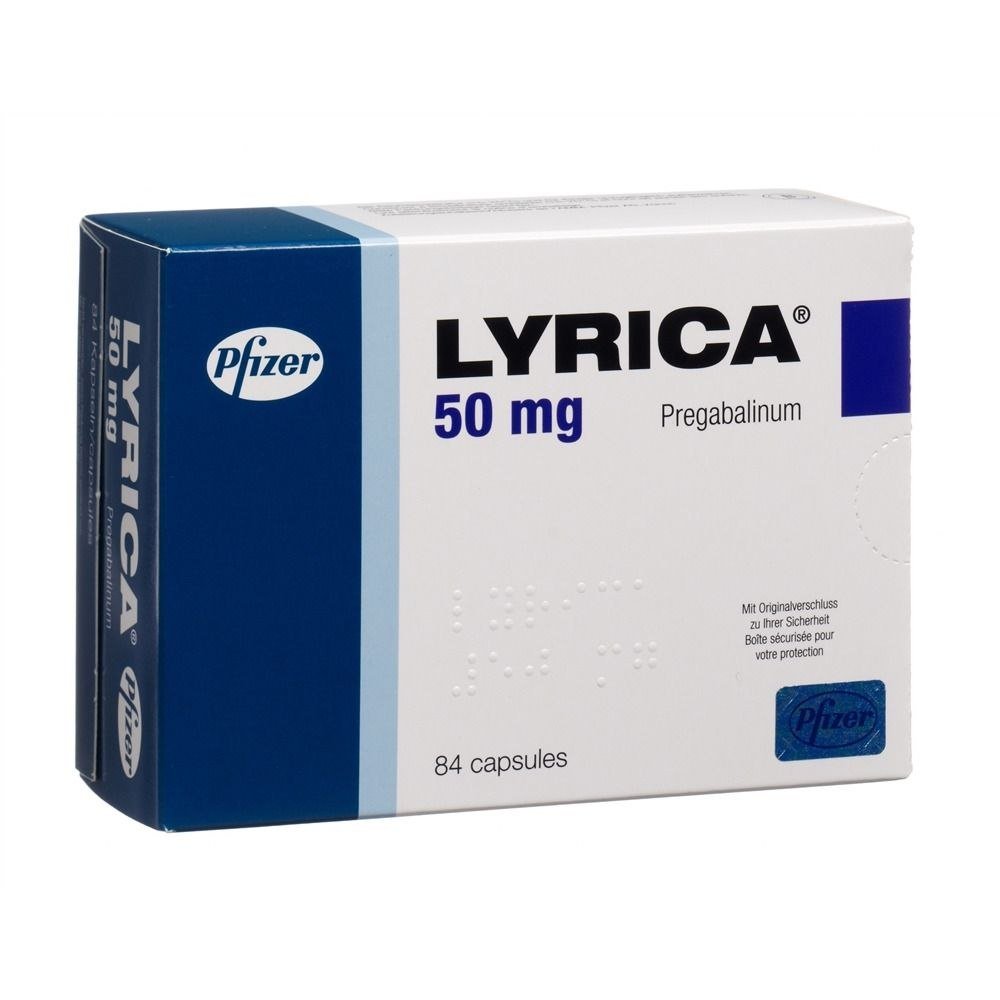
Pregabalin 50mg is a low-strength capsule of the prescription medication pregabalin (commonly known by the brand name Lyrica). It belongs to the gabapentinoid class and is used to treat certain types of nerve pain, fibromyalgia, and as add-on therapy for partial-onset seizures.
Pregabalin works by binding to a specific subunit of voltage-gated calcium channels in the central nervous system. This reduces the release of neurotransmitters involved in pain signalling and abnormal electrical activity in the brain. The 50 mg capsule is one of the lower available strengths and is frequently used as a starting dose or during dose titration. Pregabalin is classified as a Schedule V controlled substance in the United States due to its potential for misuse and dependence.
It is prescribed only after a medical evaluation and is not a first-line option for all types of pain.
Dosing is highly individualized and determined by a doctor based on the condition, kidney function, age, and response. The 50 mg strength is often used at the beginning of treatment (for example, 50 mg two or three times daily) before gradual increases if needed. Capsules are usually taken with or without food. Dose adjustments are required in patients with reduced kidney function. Never change the dose or stop the medication abruptly without medical advice, as this can cause withdrawal symptoms.
Common side effects include:


 English English
 German
 Italian
 Dutch
 Spanish