- Your cart is empty
- Continue Shopping



Price range: €150 through €420
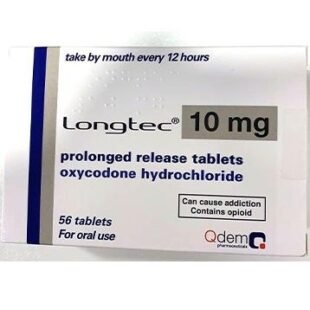
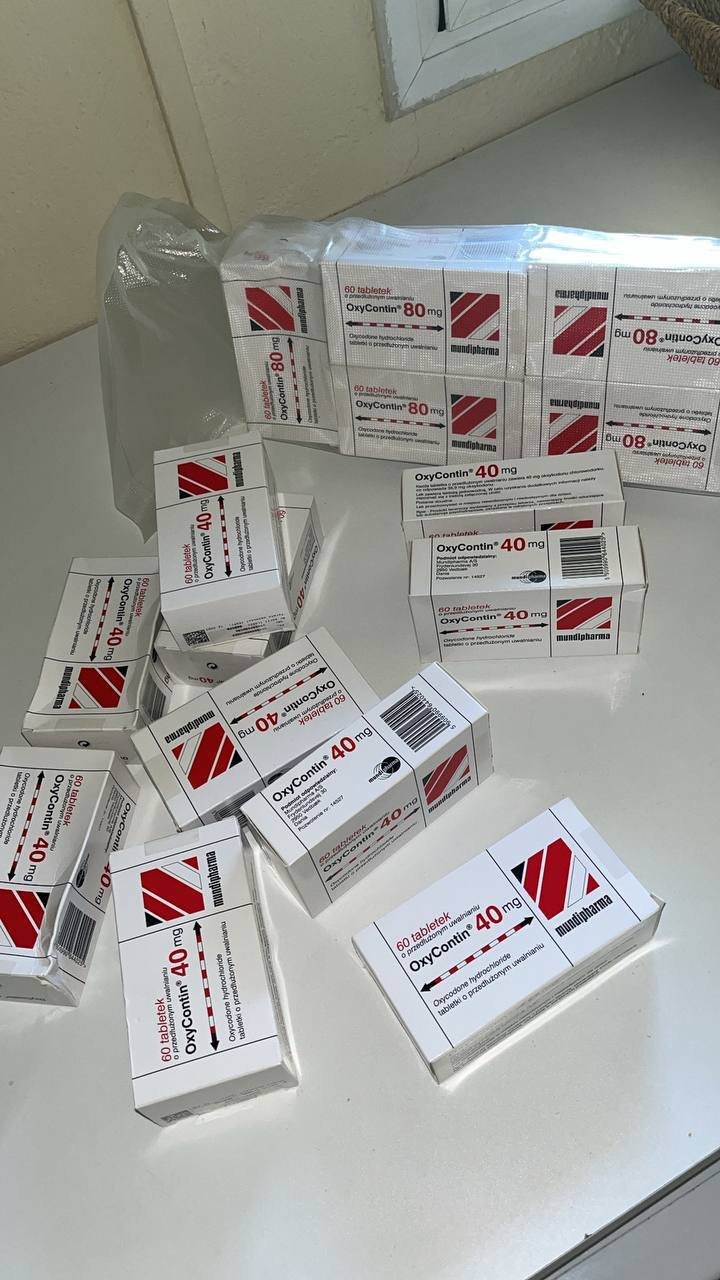
OxyContin 40mg contains oxycodone hydrochloride in an extended-release tablet designed to release the medication slowly over approximately 12 hours. It is intended for the management of severe and persistent pain that requires daily, around-the-clock, long-term opioid treatment when alternative treatments (including non-opioid options or immediate-release opioids) are inadequate or not tolerated. It is not for “as-needed” or occasional pain relief.
The 40 mg tablet is one of several available strengths (10 mg, 15 mg, 20 mg, 30 mg, 40 mg, 60 mg, 80 mg). Higher strengths or doses are generally reserved for patients who are already opioid-tolerant.
Dosing is highly individualized and determined solely by a physician experienced in opioid therapy. Tablets are taken every 12 hours and must be swallowed whole with water. Cutting, crushing, chewing, breaking, or dissolving the tablets destroys the extended-release mechanism and can lead to rapid release of a potentially fatal dose. Starting doses for opioid-naïve patients are much lower (often 10 mg every 12 hours); the 40 mg strength is typically used only in patients with established opioid tolerance. Use the lowest effective dose for the shortest duration necessary.
Common side effects include:
| Quantity | 28, 56, 84 |
|---|


 English English
 German
 Italian
 Dutch
 Spanish