- Uw winkelwagen is leeg
- Verder Winkelen


€75
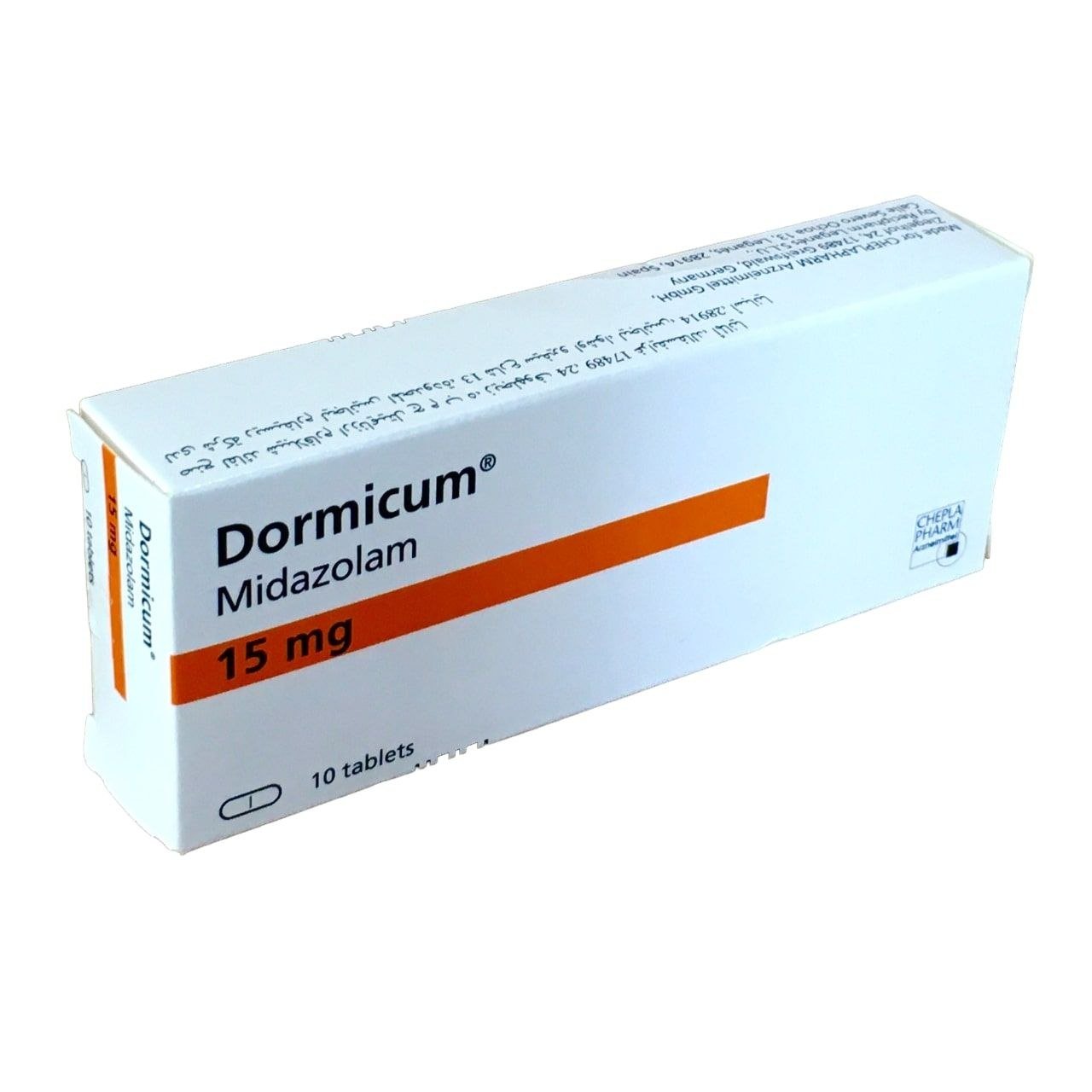
Midazolam Dormicum, commonly marketed under the brand name Dormicum, is a short-acting benzodiazepine used primarily for sedation, anxiety relief, and anesthesia-related purposes. It is a controlled substance in most countries due to its potential for respiratory depression, dependence, and misuse. Dormicum and other midazolam products are available only by prescription and are typically administered under close medical supervision in clinical settings.
Midazolam enhances the effect of gamma-aminobutyric acid (GABA), an inhibitory neurotransmitter that reduces excessive brain activity. This produces rapid sedative, anxiolytic, amnestic, and muscle-relaxant effects. Compared with longer-acting benzodiazepines, midazolam has a relatively fast onset and shorter duration of action, making it suitable for procedural sedation and preoperative use. It is available in various forms, including injectable solutions, oral syrups or tablets (in some markets), and nasal sprays, depending on the country and indication.
Midazolam is primarily used in hospital or clinic environments for:
It is not intended for routine long-term management of anxiety or insomnia in outpatient settings. Use is carefully controlled because of the risk of serious side effects, particularly when combined with other central nervous system depressants.
Midazolam carries important risks. The most serious is respiratory depression, which can lead to slowed or stopped breathing, especially in elderly patients, those with underlying respiratory disease, or when midazolam is combined with opioids, alcohol, or other sedatives. Other common effects include drowsiness, dizziness, confusion, impaired coordination, and memory loss (anterograde amnesia). Paradoxical reactions such as agitation or aggression can occur in some individuals.
Prolonged or repeated use can lead to physical dependence, and abrupt discontinuation may trigger withdrawal symptoms, including rebound anxiety, insomnia, tremors, or seizures. Overdose can result in profound sedation, respiratory failure, coma, or death. Counterfeit or unregulated midazolam products obtained outside legitimate medical channels pose additional dangers due to unknown potency or adulterants.
Midazolam must be administered exactly as directed by a qualified healthcare professional. Injectable forms are given only in settings equipped for continuous monitoring of breathing, heart rate, and oxygen levels, with resuscitation equipment immediately available. Oral or other non-injectable forms, where available, still require strict dosing adherence and medical supervision.
Patients should never self-administer midazolam or adjust doses independently. Combining it with alcohol of other sedating substances is strongly contraindicated. After receiving midazolam, patients typically need observation until the sedative effects have sufficiently worn off and should avoid driving or operating machinery for an appropriate period.



 English English
 German
 Italian
 Dutch
 Spanish