- Il tuo carrello è vuoto
- Continua Lo Shopping


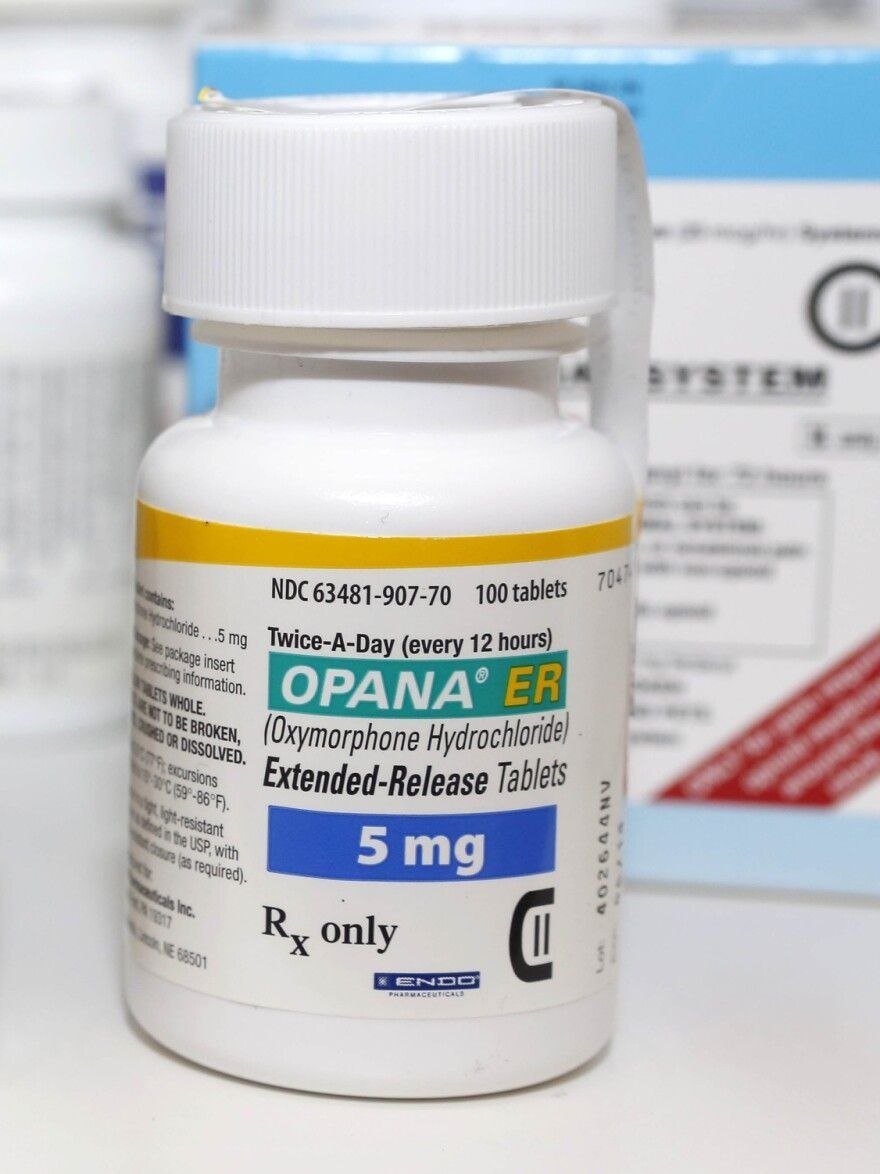
€130
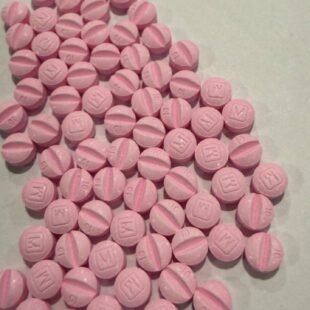
Oxymorphon is a semi-synthetic, highly potent opioid analgesic derived from the alkaloid thebaine. Classified as a Schedule II controlled substance, Oxymorphone is indicated for the management of severe, acute pain where alternative non-opioid or combination therapies are inadequate, as well as for chronic severe pain requiring continuous around-the-clock opioid management. It is available in immediate-release (IR) and extended-release (ER) oral tablet formulations, as well as injectable forms for hospital administration.
Management of Severe Acute Pain: Prescribed for acute post-operative, traumatic, or visceral pain conditions that require high-potency $\mu$-opioid analgesia.
Continuous Chronic Pain Management: Extended-release formulations are indicated for opioid-tolerant adult patients requiring daily, around-the-clock, long-term treatment for severe oncologic or non-oncologic pain.
Pre-Anesthetic & Surgical Adjunct: Utilized in clinical settings to provide preoperative sedation, reduce anxiety, and facilitate smooth induction of general anesthesia.
Oxymorphone exerts its profound analgesic effects by interacting directly with specific G-protein coupled opioid receptors within the central and peripheral nervous systems:
Selective Receptor Activation: Binds as a high-affinity full agonist to central $\mu$-recettori degli oppioidi located in the dorsal horn of the spinal cord, periaqueductal gray matter, and thalamus.
Inhibition of Adenylyl Cyclase: Coupling to intracellular $G_i/G_o$ proteins inhibits adenylyl cyclase activity, reducing intracellular cyclic AMP ($\text{cAMP}$livelli.
Suppression of Pain Transmission: Closes presynaptic voltage-gated calcium channels—suppressing the release of excitatory neurotransmitters like Substance P and glutamate—and opens postsynaptic potassium channels, hyperpolarizing neuronal membranes to block nociceptive signal transmission.
Pharmacokinetics & Food Effect: Oral bioavailability is low to moderate ($\approx 10\%$) due to extensive hepatic first-pass metabolism via glucuronidation. Peak plasma concentration ($T_{\max}$) occurs in 0.5 to 1 hour for immediate-release formulations. Ingestion with high-fat meals markedly increases peak plasma levels ($C_{\max}$) by up to $50\%$, necessitating strict administration timing.
| Parametro clinico | Protocollo di prescrizione standard |
| Formulazioni comuni | Immediate-release oral tablets (5mg, 10mg) and parenteral solutions. |
| Tempistiche di amministrazione | Must be administered on an empty stomach (at least 1 hour before or 2 hours after meals). |
| Protocollo di dosaggio | Initiate at the lowest effective dose; individual dose titration must account for opioid tolerance and hepatic function. |
Avvertenza speciale (Black Box Warning) - Dipendenza, abuso e uso improprio: Oxymorphone carries severe risks of opioid addiction, abuse, and misuse, which can lead to overdose and death. Assess risk prior to prescribing and monitor regularly.
Depressione respiratoria potenzialmente letale: Serious, life-threatening, or fatal respiratory depression may occur. Peak risk occurs during treatment initiation or following dose increases.
Concomitant CNS Depressant Hazard: Co-prescribing with benzodiazepines, alcohol, or other central nervous system depressants significantly increases the risk of profound sedation, respiratory arrest, coma, and death.
Hepatic Impairment Contraindication: Contraindicated in patients with moderate to severe hepatic impairment ($Child-Pugh$ Class B or C), COME clearance is severely compromised.
 English English
 German
 Italian
 Dutch
 Spanish