Product Description
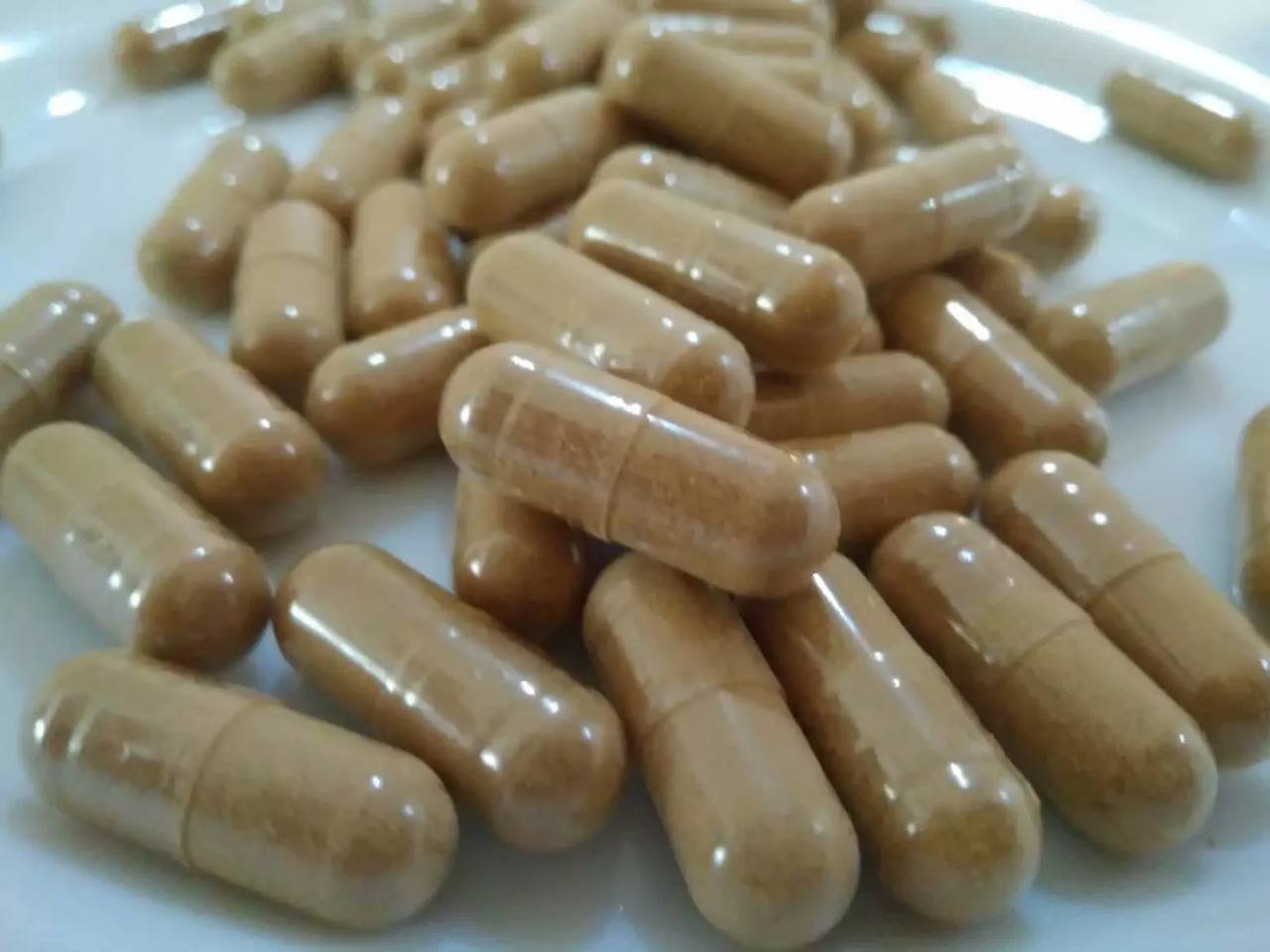
Ibogaine Capsules
Ibogaine Capsules produces intense, prolonged psychoactive effects (often described as dream-like or visionary) lasting 18–36 hours or more. Its primary metabolite, noribogaine, has a longer half-life and contributes to some effects. Capsules represent a prepared oral form, but because the substance is unregulated in most places, purity, potency, and exact composition can vary widely and unpredictably.
Traditional and Investigational Context
- In traditional Bwiti spiritual practices in Central Africa, iboga (containing ibogaine) is used in rites of passage and healing ceremonies.
- In modern contexts, it has been explored (mostly in observational studies and unregulated clinics outside the U.S.) for potential reduction of opioid withdrawal symptoms and cravings, as well as possible effects on other substance use disorders, depression, anxiety, or PTSD. However, as of 2026 there are no robust, large-scale randomized controlled trials confirming it as a safe or effective treatment for addiction or any other condition. Evidence remains preliminary and limited.
Effects
Users typically experience a multi-phase process that can include physical discomfort, ataxia (loss of coordination), nausea, and profound alterations in perception, emotion, and cognition. Effects are highly individual and can be psychologically intense.
Potential Advantages (Claimed or Under Study)
- Some observational reports and small studies suggest possible short-term reductions in opioid withdrawal and craving after a single administration in supervised settings.
- Interest exists in its unique pharmacological profile (interacting with multiple neurotransmitter systems) as a potential tool for substance use disorders when other treatments have failed.
- Traditional cultural significance in certain African communities.
Major Disadvantages and Serious Risks
- Cardiac toxicity is the primary life-threatening risk: Ibogaine and noribogaine can prolong the QT interval on an ECG, increasing the risk of dangerous ventricular arrhythmias (including torsades de pointes) and sudden cardiac death. This has occurred even in people without known prior heart disease and can happen hours to days after ingestion. Documented fatalities are associated with its use.
- High potential for severe adverse reactions, especially without rigorous pre-screening (ECG, electrolytes, medical history), continuous cardiac monitoring, and medical support.
- Legal status: In the United States, ibogaine is a Schedule I controlled substance under federal law — it has no accepted medical use and is illegal to possess, distribute, or use outside tightly controlled research. Doctors cannot prescribe it. Status varies by country; it remains unapproved as a medicine in most jurisdictions.
- Unpredictable product quality in capsule form from non-pharmaceutical sources.
- Risk of psychiatric effects, including rare reports of prolonged mania, psychosis, or other mental health disturbances.
- Dangerous interactions with other substances (especially opioids, stimulants, or medications affecting the heart or CYP2D6 metabolism).
Common and Serious Side Effects
Common acute effects:
- Nausea and vomiting
- Ataxia / impaired coordination and balance
- Tremors
- Headache
- Dizziness
- Intense psychoactive/visionary experiences
Serious risks:
- QT prolongation and life-threatening cardiac arrhythmias
- Bradycardia or other heart rhythm disturbances
- Seizures (in some contexts)
- Severe psychiatric reactions
- Death (primarily cardiac-related, reported in both clinical and non-clinical settings)
Additional Information
| Quantity | 50 Caps, 100 Caps, 200 Caps, 300 Caps |
|---|


Reviews
There are no reviews yet.